


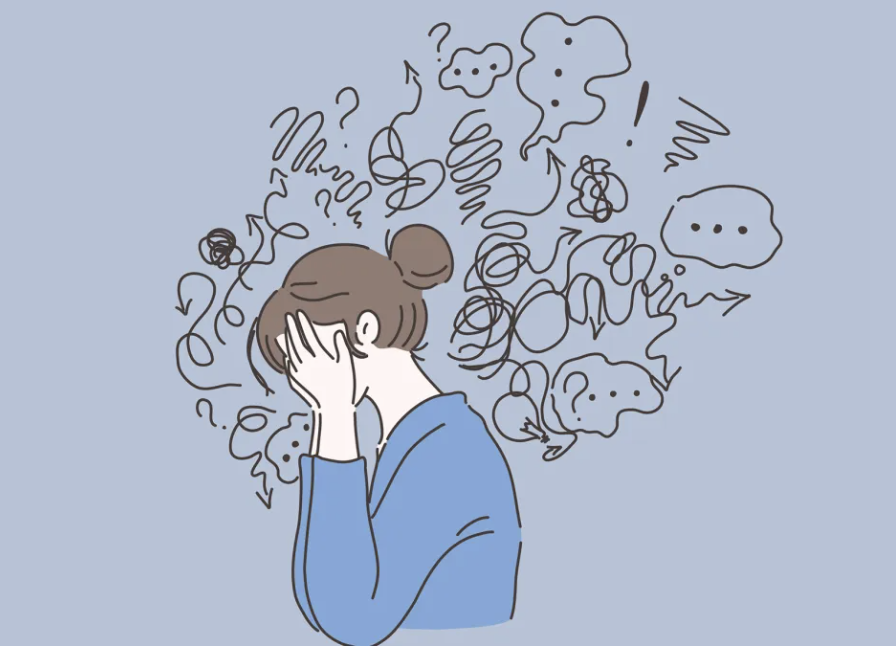
I recently saw a post on instagram from a highly respected fitness influencer about Corstisol. I was super excited to read what she had to say. I’m sad to say, I was so disappointed in the information. Maybe you’ve seen a ton out there about cortisol and how it’s to blame for your weight gain, how it’s ruining your health, etc. Unfortunately, most of the information out there on cortisol is not helpful, has been sensationalized and is used to drive followers. Here’s what you really need to know about cortisol.
And before we jump in, if you’re new around here, hi! I’m Marla. A women’s health coach in St. George, Utah and serving women all over. I help women with weight loss and help them keep it off!
Cortisol is a hormone in your body and important part of managing your circadian rhythm. Cortisol is highest in the morning causing you to wake up and get going. It dips mid-afternoon, thus why you have that afternoon lag and then it picks up again, slowly dissipating throughout the evening. If you are managing your stress well, your cortisol will be low around bed time so you can fall asleep peacefully.
If you are not managing your stress well, your cortisol could be out of sync with your circadian rhythm, disrupting sleep and compounding the feeling of stress. This is easy to reverse with these easy steps. Set a wake time that you stick to within a hour period of time, even on weekends. Mid-afternoon, instead of taking a cat nap or grabbing for caffeine to get through the slump, go for a short walk or get on a treadmill. In the evening, start to shut down an hour before bed. If you are prone to night time worrying that disrupts your sleep, then use this time to do a brain dump and get all those worries out of your head and down on paper. Shut off your phone. No checking emails, scrolling social media or reading the news. Truly take the time to slow down. Prep your body to sleep. You can’t go-go-go, plop into bed and expect to fall asleep and sleep blissfully all night long.
Cortisol will also spike in moments where you are feeling stressed. Again, the antidote is simple, though it will take some practice. Start noticing when you feel stressed. What are the red flags for you that you are entering that stress zone? Here are some common things to look for: it’s hard to think clearly, your thoughts race, you speak faster or louder, you start to munch on food though you aren’t hungry, you become critical or judgmental, you start to shut down, you pull in and don’t want to be around people. Everyone processes stress differently.
As you become more stressed, you will become more dysregulated. Dysregulation can look like a watchdog or a possum. You either get ready to attach or you start to shut down. When you notice you are doing this, just sigh. A big, long sigh. It’s so easy, but can work miracles. The sigh is a physiological sign to your nervous system that you are ok. When you are stressed, your body believes that you are not ok. So ladies, use the sight! Then take 5 nice long, deep breaths–originating from your belly button and filling up your entire lungs. Then take 90 seconds and state what is going on: I am stressed because I have too much too do. I feel frustrated that I am running out of time. Everyone is piling things on to me! Just state it. This gets you out of your lower brain and into your upper brain, where you are actually able to manage your stress.
While everyone is talking about cortisol, I have found hardly anyone talking about oxytocin–but it is just as powerful and as an important hormone. Oxytocin is your calming hormone and it is activated by touch. If you have a trusted someone, ask for a hug. Or hug a child. If you are alone, take a moment to tickle your arm, massage a shoulder or neck or give yourself a hug. Touch releases oxytocin, which counteracts cortisol. Isn’t that a beautiful thing?
As you age, your estrogen and progesterone hormone levels decrease. This can be problematic in balancing cortisol because these are calming hormones. If you are feeling overly anxious, depressed or having a hard time managing your emotions and you have not struggled with this in the past, this would be a good time to visit with a healthcare provider. Many women go through perimenopause without adequate support and help. After doing extensive research, including attending a conference specifically on Perimenopause and Menopause, I made the choice to use an Estrogen patch and take a progesterone pill everynight before bed. This is a personal decision. This felt really good for me and my circumstances. And I am happy to report it has helped significantly.
So just to recap. Cortisol is an important hormone. Manage it by setting a healthy circadian rhythm for yourself. When you feel extra stressed, your cortisol levels are high. Manage these with breath and touch. Let me know if this helps.
If you’d like to learn more about my health coaching for women in St. George you can browse more and connect with me here.










Comments:
share